Archive for 2010
Stainless Steel Appliances are Not Magnetic
By Kaye Nemec
Stainless steel appliances look great and are very popular. However, you may upgrade without realizing that your magnet will no longer stick to the front of these appliances.
 Stainless steel is a general name for a steel alloy that gets mixed with other metals. Because of the various mixtures, some stainless steel products have magnetic properties and some do not. The metal used for stainless steel appliances typically has a higher level of chromium added to it because chromium gives the steel its durable, stain-resistant properties. Chromium is not the only additive that reduces the alloys magnetic property, the nickel that is added to the steel destroys the metal’s natural magnetic properties.
Nickel is typically added to the stainless steel mixture in order to help enhance the qualities of the chromium and to make the stainless steel even more durable. But, the nickel prevents your appliances from holding your magnets.
Like everything else, there are exceptions to the rule. There are a few appliances that have a thin sheet of stainless over a magnetic metal, allowing these appliances to hold magnets. There are also appliances that simply give the allusion of being stainless steel but are actually made of titanium or painted silver metallic. These faux stainless appliances are still magnetic. If you’re in the market for new appliances, take some magnets shopping with you and test out your future purchase.
Here are some ways you can stick things to your non-magnetic appliances:
- If the sides of your stainless steel fridge are exposed try hanging your magnets there. Most appliances are magnetic on the sides even if they’re not on the front.
- Use suction cups, putty and other replacements.
- Hang a magnetic whiteboard.
- Order a Choopa Board suction mounted magnetic stainless panel for your appliance.
Magnetic paint is another option. You could paint a small section of a wall where it’s most useful, even in kids rooms. Magnetic paint is available at many hardware stores.
Broken Secrets
Subscribe on: Facebook | Twitter | Kindle
Sources: Physlink.com, WiseGeek.com , Domestikgoddess.com, ehow.com
Microsoft Invested in Apple in 1997
By Chad Upton | Editor
Microsoft and Apple are mortal enemies, at least, that’s what their TV commercials will have you believe.
They’ve always been competitors, originally trying to dominate our preference in computers, and now music players and mobile phones. Apple has a strong lead in music player and mobile phone segments, but Microsoft has a big lead as the dominant operating system. That said, Apple has become much more competitive in that space, especially in the past few years.
Their competition is most visible during commercial breaks, when they take jabs at each others potential flaws. Forget on court trash talk, when you’ve got as much money as these guys, you can trash talk in the form of multi-year, multi-million dollar ad campaigns — it’s so much more fun.

You see, Apple CEO Steve Jobs and Microsoft founder Bill Gates have a long history as friends. In the early days, they used to take their girlfriends on double dates with each other. They didn’t see a lot of each other after Bill moved to Washington State, but they’ve remained friends.
In fact, when Steve Jobs came back to Apple in 1996, the company needed help. To be a serious player, Apple also needed competitive office software.
Mac fans and developers were shocked on August 6th, 1997 when Bill Gates appeared via teleconference during Steve Job’s presentation at Macworld.
Steve and Bill announced that Microsoft would invest $150 million in Apple. Today, it sounds crazy, and at the time it sounded pretty crazy too. Jobs was booed when he announced the partnership and Bill was booed when he appeared on screen. But, it actually made a lot of sense for both companies. Steve said it best, “We have to let go of a few notions here. We have to let go of the notion that for Apple to win, Microsoft needs to lose.” (more…)








Bakery Twist Tie Colors Indicate Freshness
By Kaye Nemec
You may not have noticed before, but if you look closely at the loaves of bread on your grocery store shelves you’ll see that they are sealed with twist ties in a variety of colors. The colors vary not only by brand, but also within the same brand of bread.
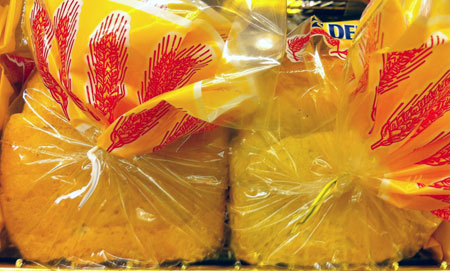
Most bread companies use varying colors of twist ties to track the freshness of bread. For example, bread that was baked on Monday may be sealed with a blue tie; Tuesday may be green, Wednesday orange… etc. The color coding makes it much easier for employees to remove stale loaves and replace them with fresh ones. It is faster to look at the color of the twist tie than it is to read the date code on each bag.
As a consumer you can use this information to get the freshest loaf. However, the color coding system is not consistent between brands, but some people claim the most common system is the following:
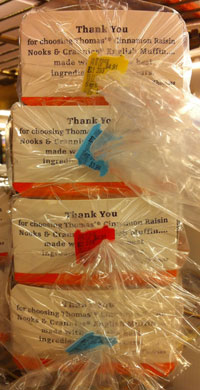 Monday: Blue twisty
- Tuesday: Green twisty
- Wednesday: (No bread delivered)
- Thursday: Red twisty
- Friday: White twisty
- Saturday: Yellow twisty
- Sunday: (No bread delivered)
Without positively knowing which colors represent which days, you’ll have no way of knowing which loaf to pick. You’ll have to pay attention to the color system used by your bread maker. Try calling the customer service number and asking them what their color coding system is. Chances are good they’ll share this info.
Most bread companies deliver fresh loaves to grocery stores several times per week. If you happen to be in the store, pay attention when the deliveries are made and even ask the delivery man.
With each delivery old loaves should be replaced with fresh, new loaves. Because of the frequent deliveries, odds are that you wouldn’t see more than two to three colors for any one brand on the shelf at one time. If you do happen upon a plethora of colors you’ll know the inside scoop and may want to steer clear of that brand unless you know their specific codes.
Some brands also use tab clips that have the date on them, these should help you learn the system fairly quickly.
This secret was also suggested by Heather, thanks for the tip. I should also mention that Shannon suggested hanging on to bread tabs for scraping food off dirty plates.
Broken Secrets
Subscribe on: Facebook | Twitter | Kindle
Sources: Snopes, Thriftyfun.com
How Does Information Get On a CARFAX Report?
By Chad Upton | Editor
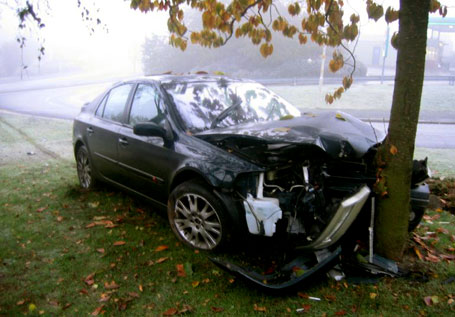
It’s not unusual for somebody to completely destroy their car and walk away unharmed.
This happens because newer cars are designed to crumple on impact, just like a bike helmet made from dense foam. The frame, hood and even the power train components absorb the energy from the impact in order to help protect the occupants. Of course, air bags may also deploy, which protect the occupants from hitting hard surfaces inside the vehicle.
When an insurance company declares a car as a “total loss” it means they are not going to pay to fix the car; although, they may sell the vehicle to somebody who plans to use it for spare parts. That person may then fix the car and try to sell it.
Unfortunately, a car that has been in a major accident may have hidden safety and reliability problems. So, if you’re buying a used car, you’ll want to know its history.
If you’ve ever looked at a used car, you’ve probably come across CARFAX.
It’s a service that provides historical information about used cars. For $35 or less, you can enter the VIN (vehicle identification number) of a used car and get a report about its ownership, accident history, mileage discrepancies, lemon status, flood damage, fleet use (taxi, police…etc) and many other things the seller may not want you to know.
I think this is a great idea, but I’ve always wondered how they get all the information.
I was talking to a guy that runs an auto body shop, so I asked him. He said that he has done work on cars that were nearly totaled and the information did not show up on CARFAX; he had also done minor work that has shown up.
He said that CARFAX buys info from insurance companies and other sources. Some insurance companies have a non-disclosure agreement, where they will not disclose information about your car and its accidents while other insurance companies are willing to sell that information to make money.
I verified this information with CARFAX and it’s true. CARFAX gets information from thousands of sources and has over 6 billion records on file. They have deals with motor vehicle bureaus in every US State and Canadian Province, where they get information about mileage, flood damage, titles, lemon buybacks, accidents, thefts, liens and ownership transfers.
They also get information from auto auctions, car dealers, repair and service facilities, rental companies, state inspection stations, fire departments, law enforcement, car manufacturers, import/export companies and many others. That’s not to say that all companies of these types provide this information, but many do.
In some cases, they have mutually beneficial relationships. For example, car dealers may provide information about vehicles they service, but they may also request information about used cars that they want to take as trade-ins, buy at auctions or sell to their customers.

In any case, CARFAX warns that they may not always have all of the information, since there are many sources that they do not have access to. In 2005, they had 6,100 sources of information. Now, they have grown to over 34,000 sources.
CARFAX does provide a couple of free services that may be worth while if you’re purchasing a used car. The Lemon Check is one of them. This free service, will tell you if the car you’re about to buy was ever declared a lemon, meaning it was serviced for the same problem 3 times and bought back from the owner by the manufacturer. You definitely want to avoid a lemon.
You can also perform a record check with CARFAX for free. This will tell you how many records they have on file for the VIN you entered. If you’re thinking about buying a CARFAX report, you should try this free option first to see if it’s worth buying the report about the car you’re interested in.
Broken Secrets | Facebook | Twitter | Email | Kindle
Sources: CARFAX (Data Sources) MSN, MyVin
Photo: Ian Hampton (cc), jasonbolonski (cc)
The White Dashes at the Top of a TV Picture
By Chad Upton | Editor
They may appear as rapidly flashing dots, dashes, lines or boxes across the top of your TV screen.
The white lines are more prevalent on HDTVs, although they can show on older standard definition sets too.
They often appear while watching an HD channel that is broadcasting a standard definition signal, which frequently happens during commercial breaks and shows that are not available in high definition.

The lines are supposed to be there, you’re just not supposed to see them. If you have seen them, they will vary in size and shape depending on your TV.
These lines are like barcodes embedded in the picture. Closed captioning, teletext and programming guide information is represented by these white lines. Your TV can interpret them and display the information in a format that you can read.
Although this primarily affects HDTVs, it stems from variances in old Tube TVs (Cathode Ray Tubes). In the early days of television, there were extreme variances in production of television sets — some would cut off more of the picture than others.
Broadcasters overcame this problem by trying to keep all titles and important actions away from the very edges of the screen, in case they were cut off on some TVs. That extra space that you don’t see is called the overscanned image (because of the way that CRTs would paint an image on the screen by scanning side to side sixty times per second).
The overscan area became a good place to hide extra information when closed captioning data was added to TV signals.
HDTV signals do not overscan. Their signals are newer and were designed to encapsulate extra information from the beginning. But, you may still see these lines on an HDTV if the broadcaster is showing content that has the lines.
Most good televisions have the option to adjust overscan, including hdtvs. You’ll have to consult your manual, but this option will allow you to adjust the picture so the white lines are not visible.
Broken Secrets
Subscribe on: Facebook | Twitter | Kindle
August is the Most Popular Month for Births
By Kaye Nemec
Worldwide, there are around 140 million births each year (down from 173 million in the late 1990s). That’s about 4 births every second.
The United States accounts for more than 4 million of those annual births.
Around the world, more babies are born during the month of August than any other month. India and China have the most August newborns at 19.5% and 11.6% of babies born during August respectively. That’s 6 and 4 times more than we have in the United States during August; however, it still remains our highest birth month. In general, more babies arrive in late summer and early fall than any other time of year, but the most recent data puts August at the top of the list.
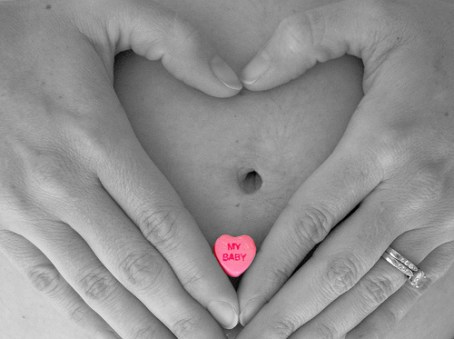
If you do the math and count nine months back from August, you’ll land at November. It is starting to get colder and the holiday season is in full swing. One school of thought believes these factors explain why August is such a popular birth month. Others believe it comes down to planning. There are people who try to plan their childbirth to coincide with summer vacations and lighter summer work schedules.
In contrast, the month of February has the lowest birth rate.
If you ask Malcolm Gladwell, author of The Tipping Point, he outlines in another best selling book, Outliers, why January and February may be the most beneficial month for your baby to be born.
Apparently, if you look at professional Hockey and Soccer players, 67% of them are born in January or February. He believes this is not a coincidence, because of age/date cutoffs, players born in these months get an extra 6 months experience compared to the other kids in the same age group, giving them a huge advantage. This advantage is most beneficial at an earlier age when the kids are streamed into more and less advanced leagues.
At a young age, 6 months development makes a big difference, giving the slightly older kids more coaching and more opportunity to develop higher level skills. This cycle repeats itself each year, raising the slightly older kids with years of better opportunities to improve.
More interesting facts:
- Wednesday has more births than any other day of the week.
- Sunday has the fewest births.
- With 21 babies born for every 1,000 people, Utah continues to have the highest birth rate in the United States.
- The State of Virginia has the lowest birth rate with 10 babies born for every 1,000 people.
- Congo has the highest birth rate of any country at 49.6 births per 1,000 people.
- Hong Kong and Macau are tied for the lowest birth rate at 7.6 / 1,000 people.
Broken Secrets
Subscribe on: Facebook | Twitter | Kindle
Sources: DidYouKnow.org, BabyCenter.com, Business Week, Wikipedia (Birth Rates, World Population)
Photo: treyevan (cc)
What is the Thirty Mile Zone?
By Chad Upton | Editor
Thirty Mile Zone or The Studio Zone, these terms refer to the area within 30 miles (48.3 km) of downtown Los Angeles, specifically the intersection of Beverly Boulevard and North La Cienega Boulevard.
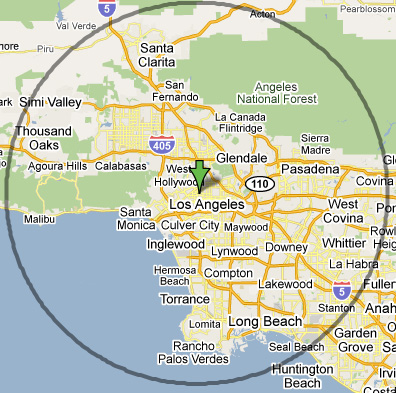
That intersection is significant because it was the home of the Academy of Motion Picture Arts and Sciences, which was originally formed to mediate labor disputes between studios and workers.
The Academy is no longer stationed there, but it remains the center point of The Studio Zone. And yes, this is the same Academy that Oscar winners always thank in their acceptance speeches.
The Studio Zone is important to the entertainment industry in Southern California. It was created to establish a reasonable distance that union workers should be expected to travel to and from the production location without additional compensation.
Productions outside of this area require higher wages to union workers and therefore many productions remain in the Studio Zone. Productions outside the zone are often referred to as runaway productions.

The Studio Zone is responsible for a land-rush during the early part of the 20th century when studios acquired ranches and other large parcels of land within the zone. In the 1920s, Westerns movies were popular, and the ranches were great locations for these pictures. Because they were in the zone, “Studio rates” were paid to the workers, which helped keep the costs down. When a picture is shot outside of the zone, the studio may pay “distant location rates” in addition to travel time and mileage, depending on the agreement.
 There is one exception, MGM’s Conejo movie ranch. It was a few miles outside of the Thirty Mile Zone, but the Academy considered it part of the zone for labor purposes. Why? It’s hard to say, but it’s probably worth mentioning that the Academy was started by Louis B. Mayer, the second “M” in MGM. The MGM ranch is now a nature preserve and a housing development.
Although Western movies are no longer popular, movie ranches still are. Because many of them are in the zone, they help keep costs low. Productions are bigger than ever, even TV shows use movie ranches for large elaborate sets. Click the embedded image to visit the google maps location of the Wipeout set (under construction at time of picture).
The celebrity news show TMZ stands for “Thirty Mile Zone” — that’s where they capture most of their footage.
Broken Secrets
Subscribe on: Facebook | Twitter | Kindle
Sources: California Film Commission, Wikipedia (The Studio Zone, AMPAS, Movie Ranch, Wipeout), Shapell Homes,
Photos: ezioman (cc), Film LA, Google – Imagery GeoEye, US Geological Survey, DigitalBloge, USDA Farm Service Agency, Map data
How to Get Less Meat on a Deli Sandwich
By Chad Upton | Editor
Some delis put way too much meat on their sandwiches.
Some people will say, “there’s no such thing as too much meat.” For me, I at least want to fit my mouth around it.
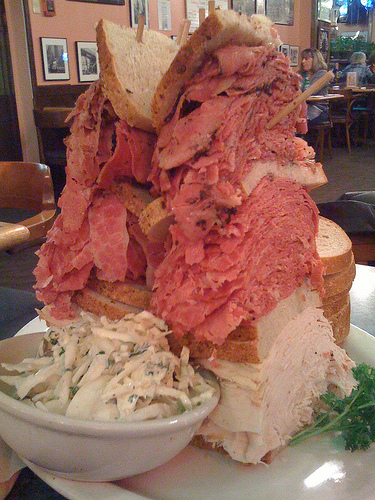
When you order your sandwich, you can ask for it “lite”, which is deli-speak for less meat. Some delis also use the term “half sandwich”, where they give you a full sandwich but only half the meat, other delis will just give you half the sandwich.
There are health benefits to a lite sandwich. Deli meats usually contain a lot of sodium, saturated fat and nitrates. The other benefit of lite sandwiches is the price. Because the meat is the most expensive part, you typically get a break when you order lite.
If you’re buying your own deli meats, look for labels like “healthy” which means the meat contains less fat and less sodium or “lean” meaning it contains less than 10% fat.
PS – I’m still looking for more contributors to help write content. Please contact me here if interested.
Broken Secrets
Subscribe on: Facebook | Twitter | Kindle
Sources: Xomba, Find Articles, All Menus, Yelp (1, 2)
Photo: onefish2 (cc)
Bluetooth Headsets Can Reduce EMF Exposure
By Chad Upton | Editor
Popular wireless devices such as cell phones and wifi transceivers produce electromagnetic fields (EMFs).
A lot of people are concerned about the health affects of EMFs, so the World Health Organization started a project in 1996 to study their effects on people.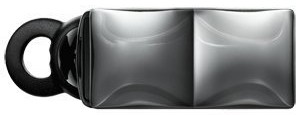
They currently maintain that EMFs, “do not produce any known adverse health effect.”
Operating in the microwave frequency range of EMFs, there is no denying that cell phones induce some of the highest exposure. The UK’s Health Protection Agency claims that 1 year of wifi exposure is comparable to 20 minutes on a cell phone.
The additional exposure with mobile phones is attributed to two factors:
- Close proximity to your head
- High power output (to reach distant receivers)
Both the World Health Organization and the Health Protection Agency continue to review the effects of EMF exposure in humans.
The amount of energy radiated by each cell phone model is measured and tracked. This measurement is taken in watts of radiation absorbed per kilogram of human tissue (W/kg). The amount of radiation absorbed, varies across the body — it is typically averaged over 1 gram of head tissue.
Canada and the US allow up to 1.6 watts per kilogram of radiation in cell phones, while the UK allows up to 2.0 W/kg. cnet maintains an up-to-date ranking of cell phones that emit the highest and lowest amount of radiation. They range from 0.1 W/kg to 1.6 W/kg. Check your user manual to see if your phone is high or low.
Comparatively, many bluetooth headsets emit ~0.001 W/kg of radiation, making them far lower than the mobile phone itself.
If you use a cell phone a lot, you should probably be using a bluetooth headset or speakerphone instead of holding the phone against your head.
Many new cars include audio systems that integrate with your cell phone for hands free calling, these are great. If you want something similar for your car, you can get a bluetooth speakerphone. I’ve had really good luck with the BlueAnt Supertooth 3, it downloaded my entire contact list for voice activated calling and its noise cancellation is really great.
If you’re looking for a headset, be sure to check the class of bluetooth headset you get. Most bluetooth devices are considered Class 2 devices, meaning they output around 2.5 mW of energy, which is a very small amount. A “Class 2” device is likely what you want, which should translate to range of approximately 33 ft (10 meters). One of the most advanced and highest rated Class 2 headsets is the Jawbone Icon.
There are also Class 1 headsets, which give you much better range (up to 330 feet/100 meters), but they output more radiation, about the same as the phone itself. The Callpod Dragon is an example of a popular Class 1 headset.
Broken Secrets
Subscribe on: Facebook | Twitter | Kindle
Sources: cnet, business week, bluetooth SIG, Wikipedia (bluetooth, wireless safety), antiradiation


 Broken Secrets