The Shoulder is the “Butt” and the Butt is the “Ham”
By Kaye Nemec
As you browse through your local grocery store’s meat department you’ll see various cuts of pork including pork shoulder, pork loin, pork chops, spareribs, pork hocks, ground pork etc. Most of these cuts of meat are self explanatory and, you’d think, the same goes for the package labeled “pork butt.” Seems pretty obvious right? Thankfully, it’s not.
Pork butt actually comes from the upper portion of the shoulder of the hog. It is a large cut of meat with a thick consistency. Typically the entire pork butt will weigh 6-10 pounds and can be sold either bone-in (with part of the shoulder blade) or boneless.
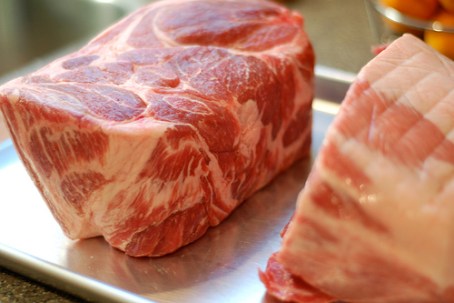
Pork butt most likely got its name because it use to be that nicer cuts of meat, those that were “high on the hog” were packed into barrels for shipping that were called “butts.”
Especially popular in the Southern United States, pork butt is most commonly used in barbecue recipes like pulled pork sandwiches. Its high fat and connective tissue content make it very tender and moist after slow-cooking.
Other common names for pork butt include Boston Butt (pre-revolutionary New England is where packing meat into “butts” originated), Boston shoulder roast, Boston roast, shoulder butt and shoulder blade roast.
On the other hand, ham comes from the rear of the hog, the hind leg. A whole ham is the entire rear leg of the ham. A half ham is either the butt end, the top of the thigh, or the shank end which is the lower part of the leg.
Broken Secrets
Subscribe on: Facebook | Twitter | Email | Kindle
Sources: VirtualWeberBullet.com, Wikipedia
Photo: Luis Ramirez (cc)
How to Taste Defective Wine
By Chad Upton | Editor
If you order wine at a fine restaurant, it can be expensive. So, you don’t want to pay big bucks for a bad bottle.
At some restaurants, the wine waiter or sommelier will usually pour a small sample and pass you the cork. Both of these gestures are done for the same reason, but not everyone knows what to do.
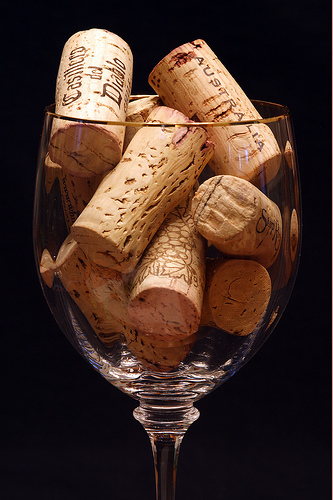 Basically, this is your chance to determine if the wine is faulty. It’s not a matter of whether you like it or not, it’s about if the wine has spoiled. It is estimated that 5% of wine is defective, so you’ll come across a bottle sooner or later.
There are a few things that can caused a wine to spoil before it’s opened.
- Oxidation
- Heat
- Sulfur Dioxide
- Cork Taint
Some people smell the cork, but the idea is actually to feel the cork, to ensure that it is moist all the way around the bottom (the end that was inside the bottle). The cork, or a synthetic material with similar properties, is meant to protect the wine by sealing it from outside air. Wine should be stored on its side, so the cork stays moist and doesn’t dry out. If it dries out, the air tight seal can be broken and the wine can be ruined. (more…)
Why They’re Called White Elephant Gift Exchanges
By Chad Upton | Editor
Among friends and co-workers, gift exchanges are popular, especially during the holidays. In the United States, a popular style of gift exchange is called a “White Elephant Gift Exchange.” I’ve done similar gift exchanges outside of the US where they don’t necessarily go by that name, but follow similar rules.
In fact, there are many variations of the rules, but basically, it involves bringing a fun or humorous gift for an anonymous person. In some cases, the rules allow other people to “steal” the gift or switch it for the gift they received. Regardless of the specific rules, I wanted to understand where “white elephants” fit in to these gift exchanges.
Historically, white elephants were sacred among Southeastern monarchs in Thailand, Cambodia, Laos and Burma (and still are in some areas).

This belief comes from a tale that Buddha’s mother had a dream the night before giving birth to him. The dream depicted a white elephant giving her a lotus flower, a divine symbol of purity. For this reason, it was thought that white elephants were sacred, and laws were made to protect them from labor.
Because white elephants couldn’t be put to work, their maintenance costs were out of proportion to their usefulness. Modern day white elephants include kitchen gadgets that seem useful, but take up useful space in your cupboards and rarely get used. (more…)
The Real Names of Brand Name Products
By Kaye Nemec
The weather is getting cold and the air is getting dry. We’re going through more Kleenex and additional Chapstick. We’re cooking warm meals in our Crock Pots and soon we’ll be getting out the wrapping paper and Scotch Tape to prepare for the holidays.

Kleenex, Chapstick, Crock Pots and Scotch Tape are all things that have become common, household names and most of us don’t think twice before calling them by these titles. Like many other popular products, the brand names have become more widely used than their original names. Replacing generic names with brand names has become so common that they have even coined a term for it – Genericide.
Below is a list of items that we commonly use the brand name for instead of the actual name. (more…)
The Most Popular Types of Liquor
If you’re throwing a party or just having some friends over, you may want to have the basics in your home bar.
A good place to start is with the most popular types of liquor.
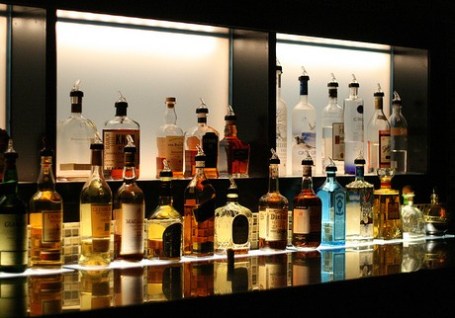
At a real bar, there is often a stock of liquor at waist height below the bar with the most commonly commonly requested liquors. This is called the “speed rail” and it is normally stocked with:
- Vodka
- Gin
- Rum (light)
- Tequila
Many popular drinks can be made with these liquors but bars frequently stock these other popular liquors in the speed rail too:
- Scotch (Whiskey)
- Bourbon (Whiskey)
- Triple Sec
- Vermouth
 Here’s a secret if you’re short on space or cash, or if you run out of Triple Sec. Triple Sec is an orange flavored liquor, so you can substitute other popular orange flavored liquors like: Grand Marnier, Cointreau or Curaçao. When it comes to selecting whiskey, click here to read more about Whiskey.
If you want to go all out with your bar, pick up some of the following and none of your guests will be unsatisfied:
- Irish Whiskey
- Canadian Whiskey
- Tennessee Whiskey
- Dark Rum
- Brandy
- Baileys
- Agostura bitters
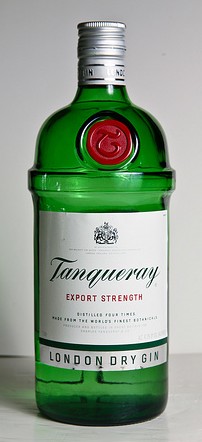
You’ll also want to stock popular tonics and mixers such as: Coke, ginger ale, club soda and cranberry juice. By the way, the Tanqueray Gin bottle was designed to look like a London fire hydrant.
Broken Secrets
Subscribe on: Facebook | Twitter | Email | Kindle
Photos: Jeff Simms (cc), Megan Morris (cc)
Sources: Orange Liqueurs, Hub Pages, Totally Free Bartending, Crunkish
Why It’s Called Black Friday
By Chad Upton | Editor
The term “Black Friday”, originally referred to Friday, September 24 1869, when the value of gold plummeted. It happened because a couple of speculators allegedly drove the price up, telling investors it would increase in value because the government was going to buy it, but the federal government actually sold a significant amount of their gold, which flooded the market and caused the value to plummet. For many investors, it was their financial doomsday.
The contemporary meaning of “Black Friday” refers to the day after US Thanksgiving. This meaning comes from Philadelphia Police, cab and bus drivers. They called it black Friday because they are overwhelmed as huge numbers of people go shopping and cause havoc to their normal routines.
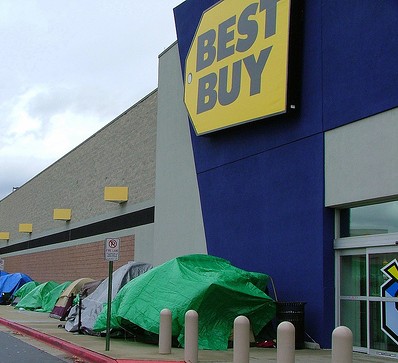
It’s often referred to as the busiest day of the year for retailers, but that’s not entirely true. It is the day when they have the highest number of people in their store, but it’s not normally the highest day of sales for the year, although it’s usually in the top ten.
Update: A couple of comments mentioned the idea that the “Black Friday” name refers to the time when retailers finally turn a profit for the year, moving from “red” ink into “black” on their income statement. Before researching this post, I thought that was the reason too. Wikipedia does mention this idea as an “alternative” explanation that emerged sometime after the term was coined by police, cabs and bus drivers in Philadelphia. Unfortunately, Wikipedia does not provide any sources to indicate that this is a fact for retailers. Although there are many sources that mention this idea, I cannot find any hard data that indicates any retailer operates without profit until the last 6 weeks of the year. If anyone finds any data that shows this, I’d love to include it in this post — it would definitely have significance in the meaning of “Black Friday.”
Broken Secrets
Subscribe on: Facebook | Twitter | Email | Kindle
Photo: Richard Roberson (cc)
Sources: Wikipedia (Black Friday 1869, Black Friday Shopping)
White Wine also Stains Teeth
By Kaye Nemec
We’ve long been told that coffee, marinara sauce and red wine will leave our teeth stained and in need of whitening. Dentists have warned us about letting these foods sit on our teeth for too long without brushing. But, it turns out we also need to be cautious when drinking white wine if we want our pearly whites shiny and bright.
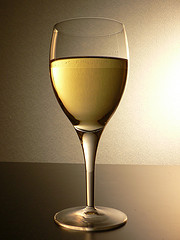 It’s not just the color of red wine that affects our teeth, it is also the acidic nature of wine that helps stain and darken our teeth. In fact, red wine and white wine are equally acidic. The acids erode tooth enamel, which is there to protect your teeth.
Because red wine contains dark pigments that will stain your teeth, you get a two-for-one deal when drinking it. Not only will the acid rough up the surface of your teeth, but it will also clear an immediate path for the red pigments to settle in and stain. White wine, on the other hand, will simply make way for stains and is more dangerous if paired with or consumed in a diet that also contains red sauce, coffee or cola.
Apparently, citrus drinks like orange and grapefruit juice, sodas and energy drinks also contain enough acid to have the same, damaging effect on the enamel of teeth. Because coffee, sodas, juices and energy drinks have become so popular, whitening agents and toothpastes have also increased dramatically in popularity over the last few years. It seems that dentists agree, it is OK to use a toothpaste with a whitening agent in it; however, it is recommended that you do not brush your teeth immediately after drinking wine. As mentioned above, the acid in the wine will weaken the enamel on your teeth. The weakening process will last about an hour so if you brush before that hour is up you risk brushing away bits and pieces of your weakened enamel causing further damage.
Broken Secrets
Subscribe on: Facebook | Twitter | Email | Kindle
Sources: ToothMingle.com, NPR, DentalHealth.org
Photo: Danielle Bauer (cc)
Why Some Cars Have Fake Convertible Roofs
By Chad Upton | Editor
Have you ever seen a car that appears to be a convertible, but you’re almost certain that car is not available as a convertible? Chances are, you were looking at a “landau” car.
Large sedans, town cars and of course hearses are popular cars for Landau conversions, although the occasional sport sedan or midsized car is fashioned with it too. I say “conversions,” because there are no mainstream automobile manufacturers who currently offers this option. In the past, the Detroit automakers offered it on some vehicles from the 1960s through the 1990s. To understand why, we have to go back a century.
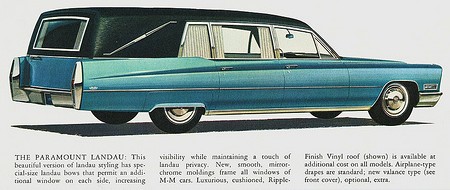
Cars replaced horse drawn carriages as the way to travel long distances. Convertible carriages were named “Landau” carriages after the city of Landau (Germany), where convertible carriages were first produced. Landau carriages typically had soft tops that were stored behind the passenger seats and deployed to cover the back, top and sides of passengers for privacy and protection from uncomfortable weather — this exact feature is still evident on contemporary baby carriages (aka strollers, buggies, prams, push chairs). (more…)
Birthdays Were Not Always Celebrations
By Chad Upton | Editor
Although traditions can vary widely, annual birthday celebrations are pretty common around the world.
In the beginning, only Kings and other royalty were thought to be important enough to have birthday celebrations. At the time, birthdays were not celebrations for common people. They believed that evil spirits searched for people on their birthday, so friends and family would gather to protect the birthday person from the evil spirits. Singing songs and using noise makers was thought to scare the spirits away and gifts were given for good luck.
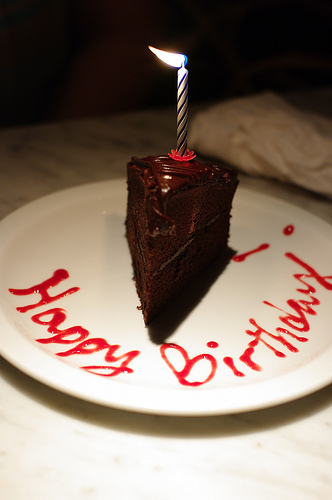
Of course, modern birthdays are much different. One of the highlights is the cake and the tradition of serving birthday cake comes from Ancient Rome. Originally, cakes were much like bread, the only difference being that cakes were sweeter.
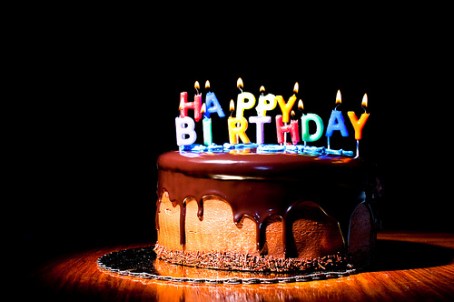
With culinary advancements in the 17th century, cakes began to look more like their contemporary counterparts. At the time, they were a privilege of the wealthy and not until the industrial revolution were the materials and tools affordable and widely available enough for commoners to have birthday cakes too.
Although candles originated in China around 200 BC, it was the Europeans who popularized decorative candles. Candles made their way onto birthday cakes around the 18th century in Germany. Many cultures put enough candles on the cake to equal the age of the person, some cultures adding one more for good luck.
Some cultures also celebrate the birthday of a historical leader or religious figure. One of the most popular is Christmas, which commemorates the birth of Jesus. In the United States we also celebrate Presidents Day on the third Monday of February, which honors George Washington’s birthday (February 22, 1732). Although most people celebrate the day they were born, there are some cultures in Europe and Latin America that also celebrate one’s name day. In that case, if you were named after a Saint, you would celebrate on that Saint’s name day (sometimes in addition to your birthday, other times in place of it — depending on the country).
 There are many other birthday traditions from around the globe, some are current and others have long passed. In some South American cultures, it was tradition to pull on the earlobes of birthday children, once for each year they have lived. In India, icing from the cake is sometimes rubbed on the face of the birthday person.
In Mexico, a Piñata is a colorful container, often shaped like a star or an animal, that is filled with treats. The birthday person, usually a child, is given a stick to break the piñata or in some countries there are strings to pull open a trap door. Although this is well known, there are many other countries, such as Denmark, India, Sri Lanka, the Philippines, Argentina, Brazil, Japan and others who have similar traditions involving clay pots or other containers that are broken to release treasures.
PS – Today, we are celebrating a very special birthday. Exactly one year and 235 secrets ago, I posted the first secret on BrokenSecrets.com — You Can Use Foil in the Microwave.
Broken Secrets
Subscribe on: Facebook | Twitter | Email | Kindle
Photos: Omer Wzir (cc), Joe Gray (cc)
Sources: BirthdayCelebrations.net, Wikipedia (Birthday, Birthday Cake, Candles, Pinata)
Babies Blink Less Than Adults
By Kaye Nemec
I was rocking my son, trying to get him to sleep, staring at his wide-eyes as he stared back at me. I noticed that he rarely blinked and each time I blinked, I wondered if we had done it at the same time and I just missed him doing it. But, that type of coincidence can’t possibly happen every time I blink for 20 minutes, so I did some research.
It turns out, babies blink much less often than adults. Studies have found that babies, on average, blink less than twice per minute while adults blink, on average, 10 to 15 times per minute.
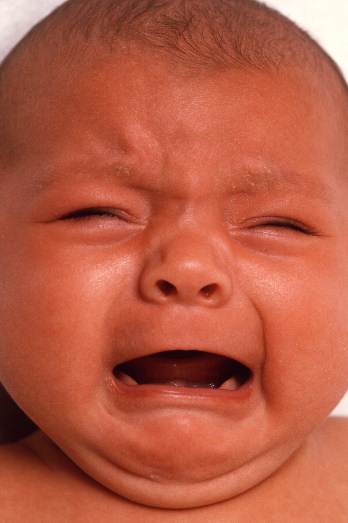 There are a couple of theories about why babies blink less than adults. One theory is that, because babies’ eyes are so much smaller, there is a much smaller opening through which things like dust, dirt and debris can pass. If fewer foreign particles enter the eye, less blinking and tears are needed to wash it away.
Another suggests that the more sleep a person gets, the less blinking is required. Since babies may have their eyes shut for as much as 15 hours per day, they are not as prone to dry eyes as adults, who often get 6 to 8 hours of sleep per day. When eyes are dry, blinking moisturizes them, so if babies don’t have dry eyes, there is no need to blink as often.
It is also interesting that babies do not produce tears until around the age of one month, when their tear ducts have developed. Even after that one month milestone, babies may continue to cry without tears for awhile. During the first few months, babies tend to save their tears for times when they are especially adamant about what they want or when they are in pain. So, if the purpose of blinking is to clear the eye of debris and lubricate it with tears, there is really no need for a baby to blink until they begin producing that cleansing agent.
Broken Secrets
Subscribe on: Facebook | Twitter | Email | Kindle
Sources: New York Times, The Register, Parenting
Photo: bbaunach (cc)


 Broken Secrets