Posts filed under ‘Food and Drink’
Hot Dog Etiquette
Summer is fast approaching and I know everyone is looking forward to lots of weekend barbecues, parking lot tailgates and company picnics. It’s always fun when there is plenty of beer, brats and BBQ sauce.
But it can also be serious; some outdoor cooks are very protective of their secret sauce and grilling technique. To lighten things up, here’s a secret you can share with everyone.

The National Hot Dog and Sausage Council (NHDSC) has published a guide to hot dog etiquette. According to the American Meat Institute, the NHDSC website “is a fun, practical informational resource to consumers…” (more…)
Aluminum Foil Retainers
Aluminum foil is amazing when you think about it.
It’s indispensable in the kitchen and all the good Halloween costumes require it. So, it’s no surprise there are a lot of aluminum foil secrets. For example, most people don’t realize there is a proper use for aluminum foil in the microwave, the FDA even has guidelines for it.
But, there is one aluminum foil secret that everyone needs to know about: the aluminum foil retainers. There are perforated retainer tabs on the side of the aluminum foil box. When pushed in, these tabs hold the roll in place while you unroll it.
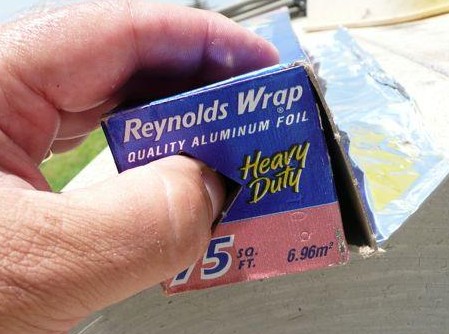
Maybe it’s too much to ask, but I wish they pre-pushed these tabs at the factory — I went years without noticing them. Then again, maybe it’s the manufacturer’s inside joke; now that has been foiled.
Broken Secrets | Written By: Chad Upton
Photo: redbell20j
How to Sterilize Your Toothbrush
Whether you plan to buy your own dental tools, or clean baby bottles, you should understand how to sterilize some important household items.
The purpose of sterilization is to remove fungi, bacteria, viruses and spores. Some people believe exposure to some bacteria is a good thing, and they might be right, but exposure to some varieties of these organisms can be very bad for you.
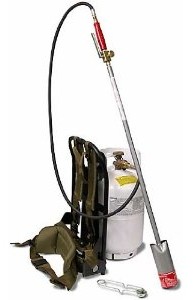 There are a number of ways to perform sterilization using: heat, chemicals, radiation, pressure and filtration.
Heat is probably the most misunderstood method of sterilization. It is a popular practice to boil baby products in water and if the duration is long enough, it may disinfect them but it does not sterilize them. The boiling method is really good at removing particles, which can be a source of bacteria, but is not great at killing the bacteria itself. If you do use this method, be sure to start with cold water since hot water from your tap is already a bacteria risk (see: why you shouldn’t drink hot water from your tap).
To sterilize with heat, you need a holding time of 3 minutes at 273 °F (134 °C). Water turns to steam at 212 °F (100 °C), so you can’t use water to sterilize something directly. But, you can use steam. In fact, that’s basically what hospitals use inside a device called an autoclave. It is like a small dishwasher that uses steam and pressure to sterilize items. Color changing tape is used inside to tell the operator when optimal sterilization conditions have been met. Some new dishwashers and clothes washing machines have steam cycles too.
Why Beer Bottles are Green, Brown or Clear
St. Patrick’s day was last week and it wasn’t deathly cold that night so I was going to start the evening by finally taking down my Christmas lights. Luckily, I got a much warmer offer from my friend Chris who invited me over for green beer.
Chris’s wife Jeanne was turning yellow beer into green beer using blue food coloring and Jeanne’s daughter was there too. We got talking about import beers and how many of them are in green bottles. Chris pointed out that Moosehead was maybe the only green bottled beer that he liked (and one of the few Canadian beers we get in America). That lead to a conversation about why beer bottles came in three different colors: clear, brown and green.
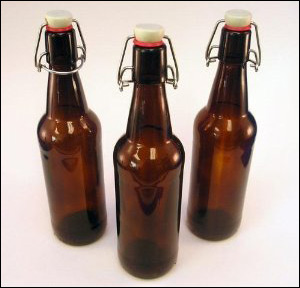
Chris mentioned the color of the glass protected the beer from light, which was a secret to me, so I read more about it and here’s what I found: (more…)
How Restaurants Make Taco Shell Bowls
If you’re ever ordered a taco salad, it has probably been served in a giant bowl made from a taco shell. Nachos are often served with smaller versions of these tortilla bowls to hold sour cream and salsa.
My friend Scott worked in a restaurant back in our high school days. While we were having dinner one night I asked him how they did it.
For the smaller sized dipping bowls, they would take two ladles, put one ladle cup inside of the other while sandwiching a small tortilla shell between them. Then they would hang on to the handles and dip the other end into the deep fryer. After a short amount of time they would remove the ladles from the fryer; as the tortilla cooled, it would hold its shape. It was a good bowl, but it was a great deep fried bowl shaped nacho when that last bit of salsa was left at the bottom.
Use Blue Food Coloring to Make Green Beer
Yesterday, I talked about the history of St. Patricks Day — why we celebrate it, how the color green and the shamrock became the symbols they are today.
 While Chicago dyes the river green, many others will be dyeing their beer.
If you’re going to dye your own beer, pick a lighter colored beer for best color results. Because lighter lagers, pilseners and ales are a yellowish color, mixing blue food coloring will give you a rich dark green color — the color of a real shamrock. Using green food coloring will work too, but you’ll get a much lighter shade of green.
This is actually quite fitting since St. Patrick’s color was actually blue.
Broken Secrets
Written By: Chad Upton
Follow BrokenSecrets on Twitter
Sources: DIY Life
The History of St. Patrick’s Day
March 17th is the big day. I’m giving you some notice so you can dig to the bottom of your laundry pile, find your green shirt from last year and put it in the washing machine.
If you can’t find a green shirt, go with a blue one instead. According to historians, blue was the original color associated with Saint Patrick. In fact, the 1912 dress code for Lord Chamberlain specified that the household of the Lord Lieutenant of Ireland should wear St. Patrick’s blue.
The 1924 Irish Olympic football team wore St Patrick’s blue and the Northern Ireland team (known then as the “Ireland association football team”) wore St. Patrick’s blue jerseys from 1882 until 1931, when they switched to green.
Let me tell you why… (more…)
Bad Fats Can be Hidden on Nutrition Labels
My good friend Scott is probably the fittest person I know. He works out at least once a day (sometimes more) and eats like a champion.
A little while back, I was in Toronto and staying at Neil’s place (author of The Book of Awesome). Scott came by and took us to the gym for a personal training session. At the end, I was beat and he hadn’t even broken a sweat. Then he said, lets do it again! I thought he was joking, I really did… but he was not.

The point is, Scott is very fit and extremely well read. When I asked him what book I should read to learn more about nutrition, he suggested this book.
I’ve been reading it off and on for a couple weeks now and it’s a great book. I found the section about fats very interesting. Of course, most people realize there are good fats and bad. Fats that your body needs and fats that your body shouldn’t have. But, there was an interesting little trick for identifying fat that is not itemized on the nutritional label. If you look at “total fat”, that number is often higher than the itemized fats listed below it (at least saturated and trans fats must appear itemized in the US since 2006). If you add up the saturated and trans fats and the subtract that from the total, you’ll know the approximate amount of unsaturated fats. The reason I say approximate, is because the trans fat number is regulated to be inaccurate in some cases. (more…)
Caffeine Free Coffee Beans Discovered
In case you haven’t noticed from my video about properly pouring coffee, my various Starbucks secrets or my post about why coffee is called java, I love coffee.
I got hooked on it when a local chain started serving high fructose cappuccinos. They’re mostly sugar, but they’re also a gateway to the serious stuff: coffea arabica, the most common species of coffee bean.
As I got older, I started to notice the effects of all the caffeine. I would get headaches if I didn’t drink enough of the stuff, but I couldn’t stop drinking it entirely… I loved the taste and it was a habitual part of my day, so I switched to decaffeinated coffee. I’m not alone, decaf coffee is growing in popularity, making up 10% of the global coffee market. (more…)
Dishwasher Detergent Has Bleach In It
I learned it the hard way.
A couple weeks ago, I popped the cap off the dishwasher detergent and some splattered on me. I didn’t think much of it, but a couple hours later I noticed one of my favorite t-shirts had pink spots on it.

It surprised me, but I knew immediately what caused it. Just to be sure, I checked the dishwasher detergent ingredients and there it was, “Chlorine Bleach.” I knew we had another brand, so I checked that one too — same thing!
That was news to me and I asked a few other people if they knew dishwasher detergent contained bleach and it was news to them too. The question is why?


 Broken Secrets