Archive for 2010
How to Tell Which Printing a Book is From
By Chad Upton | Editor
Books were once a luxury.
That changed with the printing press, making duplication of books faster and cheaper, which made books more accessible to common people. Eventually, public libraries made books available to everyone in a community.
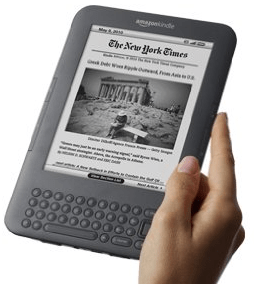 The way we access books is changing again, by eReaders like the Kindle and iPad.
If you browse the Kindle forums on Amazon.com, you may notice that eBook snobs refer to normal books as DTBs (Dead Tree Books). While eBooks are a status symbol now, they may eventually be the way common people access books, making paper books a luxury once again, reserved for expensive hardcovers and collector editions.
For some people, the only books they have ever read were the ones they had to read in school. This year, many high schools and colleges are using iPads and Kindles to distribute reading materials. It’s not because they’re fancy, it’s actually quite practical.
Although the initial cost of the device is high, the cost to create and distribute electronic books is almost negligible. The cost of a Kindle ($139) is about the price of two or three large college textbooks. At that rate, the device could pay for itself in the first semester.
Because it is much cheaper, faster and easier to download books, eBooks may eventually replace paper books as the primary way we read. Like I said, the reading devices are expensive, but even if people don’t want to buy a dedicated device, chances are good they already own one that is compatible. Amazon has already made software that allows Kindle books to be downloaded and read on Windows and Mac computers, iPads and iPods, along with all of the major smartphone platforms (iPhone, Blackberry and Android).
The future of books may be eBooks. In the meantime, it’s hard to know how popular paper books are, unless you know this secret.
 When a book is printed for the first time, the publisher doesn’t know how well it will sell. They print a limited number of books to minimize the risk of their investment. If the book sells well, they can always print more.
Most publishers list the number of the printing in an ambiguous format on the publishers copyright page near the front of the book. They put the numbers 1 through 10 on their own line near the bottom of the copyright page. Sometimes, they’re in left to right order from 1 to 10. Other times, the numbers alternate from left side to right side, with 10 in the center.
The lowest number you can see on this line is the printing that the book is from. When a book goes into its second printing, the number 1 is removed. On the third printing, the number 2 is removed and so on.

1st Printing

9th Printing

12th Printing
You can see that the numbers alternate from left to right. They sometimes do that so the remaining numbers stay centered without adjusting the printing of the remaining numbers. If you see them in a book and they are not alternated, the remaining numbers will be off to one side instead of being centered (they don’t normally adjust the type to re-center it).
Sometimes, printings are confused with editions. A book may go through many printings and still be considering the “First Edition.” Generally, the edition doesn’t change unless the content in the book or the publisher changes.
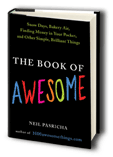
The images above are from one of my favorite books, The Book of Awesome. As you can see, this book has been extremely successful — it’s in its 12th printing! Frankly, it is an awesome book and I’m not just saying that because I’m trying to be funny or because I’m in the book — the sales speak for themselves, it is a great book.
Broken Secrets
Subscribe on: Facebook | Twitter | Kindle
Sources: Travelin Librarian, Between the Covers, Wikipedia (Books), Kotaku
Chewing Sunflower Seeds Can Help You Stay Awake
By Kaye Nemec
We’ve all been there: we’re driving late at night, determined to make it to our final destination, growing more tired with each passing mile. We roll our windows down, turn up the radio’s volume, gulp down caffeine — anything to keep our eyelids from dropping.
Drowsy driving is a dangerous situation. In fact, studies show that it can be just as dangerous as drunk driving. Of course the best solution would be to pull over and get some rest. But if you have no choice and really need to keep on driving, try chewing sunflower seeds to stay awake.

Eating sunflower seeds (with shells) is not an easy task. The act of using your teeth to crack the seed, figuring out how to remove the seed from the shell and successfully discarding the shell, not to mention eating the seed, will keep your brain focused. Be sure to have an empty cup or bottle handy to spit the shells into or your car will be a mess when you finally get to your destination. Grabbing a healthy drink to go with the seeds is a good idea too, they are certainly a salty snack and will leave you feeling pretty thirsty.
Mastering the art of eating sunflower seeds “hands free” can take a little time, so if you’re not quite there yet I recommend a few practice sessions at home before taking this trick out on the road. The point is to keep your mind active and alert, but not to be so distracted that you’re unable to focus on safe driving.
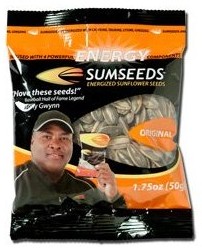 Want to kill two birds with one stone? At your next pit stop, get a package of SumSeeds. They’re a brand of sunflower seeds infused with caffeine, taurine, lysine and ginseng. They come in four flavors; original, salt & pepper, honey BBQ and dill pickle. If your local store doesn’t carry them, you can get them from Amazon.
In addition to the mental concentration and energy it takes to eat sunflower seeds, their nutritional value will also help improve your overall health and wellness. Unlike the sugars and refined carbohydrates often found in common “pick me up” snacks, sunflower seeds are packed with healthy fats, protein and fiber.
Broken Secrets
Subscribe on: Facebook | Twitter | Kindle
Sources: Wikihow.com, AAAFoundation.org, SUMSEEDS.com, Sunflowernsa.com
Photo: photofarmer (cc)
Some Eggs Do Not Need Refrigeration
By Chad Upton | Editor
Eggs are incredibly versatile. They can be prepared many different ways and appear in thousands of recipes, from salad dressings to dessert puddings.
While eggs taste great, they can also be dangerous if not treated properly. In the United States, about 1 in 20,000 eggs may contain salmonella — a bacteria that can make people very sick and possibly lead to death. In fact, approximately 142,000 cases of salmonella poisoning are reported each year and approx 30 of those cases result in death.
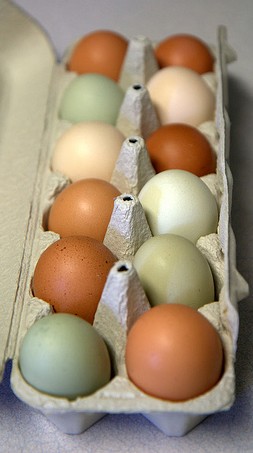 In many countries, eggs lay on supermarket shelves completely unrefrigerated. In other countries, eggs must be refrigerated when they are shipped, stored and sold.
Eggs have a natural protective layer on the outside of them which preserves the egg for a long period of time without refrigeration. Unfortunately, eggs can become contaminated with salmonella. This happens by contacting feces or other environmental contaminants during production. It can also be caused by the ovaries of an infected hen.
Because of this risk, countries such as the US and Canada insist that eggs be washed before they are sold. The advantage of this is that potential bacteria is removed from the outside of the egg. The disadvantage: the natural protective coating will also be removed, which requires that eggs be refrigerated to mitigate the risk of other contamination.
Although rare, there is also a risk that the egg yolk is infected. Refrigerating eggs prevents the potential bacteria from multiplying further, which reduces the risk of illness if a contaminated egg is consumed.
Typical egg care varies by country. If you buy eggs that are refrigerated, you should refrigerate them at home. If the eggs are not refrigerated at the time of purchase, you may optionally refrigerate them at home to extend the shelf life.
Room temperature eggs are recommended for hard boiling, experts say the shell is easier to remove because the outer membrane (just inside the shell) is weaker.
Many chefs suggest that refrigerated eggs should be at room temperature before they are mixed for baking, salad dressings and mayonnaise. The yolk in a cold egg is more firm, so they mix better at room temperature. Therefore, cold eggs are ideal for poaching or frying, reducing the chance that the yolk will break open during preparation.
Broken Secrets
Subscribe on: Facebook | Twitter | Kindle
Sources: USDA, Chow, Banderas, Ochef, Wikipedia (Salmonella)
Photo: chizang (cc)
Why Most New Stuff Comes Out on Tuesday
By Chad Upton | Editor
It’s always exciting when your favorite band releases a new album. But, why do they always come out on Tuesday?
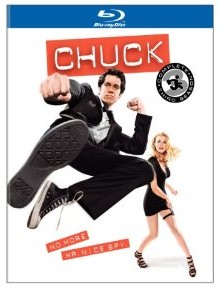 It’s because DVD, Bluray, CD and video game sales are tracked by SoundScan, a company that compiles sales data on these items. They’re like Nielson TV ratings, except for music, movie and video game sales. In fact, SoundScan is even owned by Nielson.
They measure the number of weekly sales starting on Tuesday through to the following Monday. Publishers release new items on Tuesday so the first week of sales data is seven days; that means sales from that week can be compared to sales data from following weeks in an accurate way.
New movies hit theaters on either Wednesday or Friday. Friday is popular for big movies because a lot of people want to see them on the weekend and it will make the three day ticket sales look more impressive, making the movie sound like a hit. Wednesday is popular for movies that don’t want to compete with the Friday blockbusters.
Here’s a list of popular media and the days they come out:
Movies: Wednesday and Friday (Theater), Tueday (DVD and Bluray).
Music: Tuesday.
Video Games: Tuesday.
Books: There is no standard, although Tuesday is fairly common since they are also tracked by Nielson. They are often on shelves before their official release date, unless there is a large advertising campaign that indicates a specific date.
Comic Books: Wednesday.
Broken Secrets
Subscribe on: Facebook | Twitter | Kindle
Sources: Comic Books (Yelp), Music and Movies (Artists House Music), Nielson, Movie Scoop,
Secret Menu Items
By Kaye Nemec
When you go out to eat, you generally choose your meal based on the menu items and maybe making a few tweaks here or there.
Many restaurants have “secret” menus that are becoming increasingly well known, thanks to the internet. So the next time you’re having a hard time deciding what to order, try to remember some of these secret menu items.
At Subway, my favorite secret menu item is the Pizza Sub. Rookies may not know about it, so you may have to instruct them: it’s basically tomato sauce (from the meatballs) with pepperoni and cheese (plus whatever other toppings you want). I suggest shredded cheese and toasting to get pizza-like melted cheese. If you’ve never had a pizza sub, do yourself a favor.
Chains like Taco Bell and Chipotle – restaurants that usually serve items made to order and only use a few ingredients – will allow you to individualize your order. Next time you’re in the mood for Mexican look at the menu loosely and ask for beans instead of meat or make an order of Nachos at Chipotle, they’ve got all the ingredients, but these arrangements are not on the menu.
Did you know you can order Dairy Queen’s Blizzard of the Month even after its respective month has passed? So if you fell in love with the Strawberry Golden Oreo Blizzard in June and aren’t crazy about the current Brownie Batter option, go ahead and get your Golden Oreo fix, they’ve still got the ingredients on hand!
Another favorite is the Neapolitan shake at McDonald’s. Instead of choosing between a chocolate, vanilla or strawberry shake, have them all in one cup! You may have to explain this one to the chef, but basically they just have to stop the shake machine from filling the cup and switch the flavor. Of course, they’ll have to repeat the stop and switch a couple times to get all three flavors.
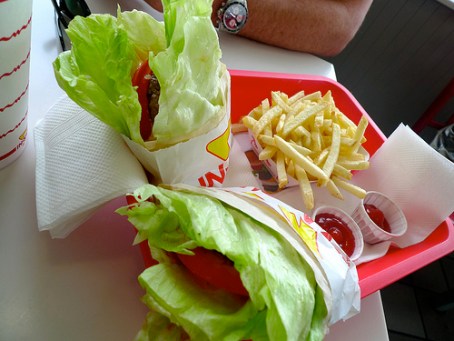
One of the worst kept secret menus comes from a popular West Coast fast-food chain called In-N-Out Burger. In-N-Out is wildly popular for their simple menu of burgers, fries and shakes. Their ingredients are fresh and never frozen – you can even see them slicing real, fresh potatoes and making them into delicious French fries right before your eyes. To the average customer, menu options consist of a hamburger, cheeseburger, Double Double, French fries and vanilla, chocolate or strawberry shakes.
To the In-N-Out regular, the menu consists of items like Double Meat, Grilled Cheese, 3 x 3 (or 4×4 or 5×5 etc.) — which is the number of patties and number of cheese slices. There is also Animal Style with all the fixin’s. Or, if you’re watching your carbs, you can get “protein style” which replaces the bun with lettuce. Because this secret menu has become so popular, the chain has published it on their website.
According to internet rumors, another popular chain with a large secret menu is Jamba Juice. Known for their mostly “healthy” and refreshing fruit smoothies, Jamba Juice has a secret menu that is full of smoothie options with a much higher calorie count. White Gummi Bear seems to be one of the most popular options, others flavors include Banana Cream Pie, Peanut Butter & Jelly, Pink Starburst and Push Pop.
In addition to wide-spread secret menus, several restaurants are open to customers creating individualized menu items for themselves. Starbucks, for example, is open to customers creating whatever drink they’d like. You are welcome to combine flavors, add extra espresso shots, blend a normally iced drink, put ice on a normally hot drink etc. Your options appear to be endless. For a complete list of Starbucks drink options, check out this other post on Starbucks Drink ID Codes.
Broken Secrets
Subscribe on: Facebook | Twitter | Kindle
Sources: In-N-Out.com, Jamba Underground, The Consumerist
Photo: SanFranAnnie (cc)
Why Suit Jacket Pockets are Sewn Shut
By Chad Upton | Editor
Men’s suit jackets have their pockets sewn shut at the factory.
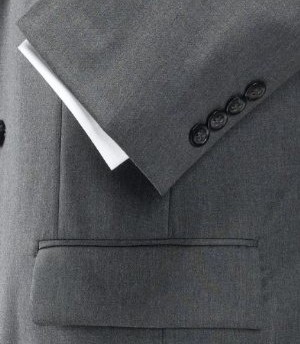
If the jacket does have real pockets, the question is: to use the pockets, or not to use the pockets?
There are two camps on this issue.
Some say the pockets are there to be used for movie tickets, opera programs, cigars and other sleek items. In other words, definitely open your pockets up.
 On the other hand, using the pockets can stress the seems and ruin the jacket over time. The jacket can also be easier to press without open pockets. So, you’ll have to pick a side.
If you’re on team open pockets, then you can ask your tailor to open the pockets, especially when you buy the jacket. If you’re a DIY kind of person, you can use a seam ripper to, well, rip the seam. You could also use a pair of nail clippers or fine scissors to cut the threads.
Broken Secrets
Subscribe on: Facebook | Twitter | Kindle
Sources: Mens Warehouse, Ask Men
McDonald’s Once Owned Chipotle Mexican Grill
By Chad Upton | Editor
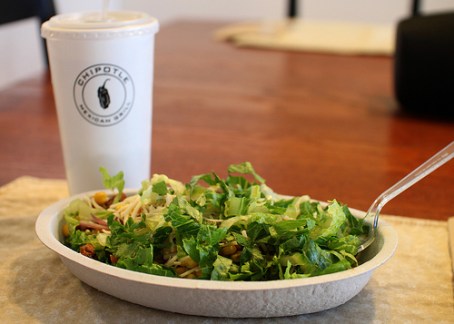
Chipotle Mexican Grill is a popular fast food restaurant with more than 1000 locations in the United States, Canada and England.
For those who don’t know, they are well known for using fresh and healthy ingredients. For the most part, they use meat from animals that are free range, fed vegetarian diets and raised without antibiotics, hormones or arsenic, not to mention vegetables that are organic and locally produced.
If you’ve read or seen Fast Food Nation (2001/2006), you’ll know that most fast food chains do not operate like this. They source the cheapest meats possible, which often come from animals raised in the least healthy ways. If you’ve seen the documentary Food Inc (2008), Chipotle is painted as a very different kind of fast food chain.
That’s why it’s so surprising that McDonald’s once owned a majority share.
Chipotle was started in 1993 by a chef named Steve Ells. The first store was in Denver Colorado, followed by a few more Denver stores in 1995 and five more in 1996. The chain was growing quickly, so they accepted outside investors in 1998, including McDonald’s.
Because the chain was expanding so quickly, it made a lot of sense for McDonald’s to invest. The funding helped Chipotle expand even more quickly, going from 16 stores in 1998 to 500 in just 8 years.
In January of 2006, Chipotle went public on the New York Stock Exchange. It was the second most successful public offering for a restaurant, second to Boston Chicken (now Boston Market), which was another McDonald’s property. McDonald’s divested its interest in both companies in October 2006 to focus on the McDonald’s brand.
It should be noted that Chipotle chose to sponsor the documentary Food Inc. Although, it’s not know if it was the chicken or the egg, that is if Chipotle was painted in such a positive light because they were a sponsor or if they sponsored and promoted the film because it made them look good. The sponsorship was announced almost two months after the film was released, so it’s plausible the sponsorship was an effort to promote the film because it was so favorable to Chipotle.
Broken Secrets
Subscribe on: Facebook | Twitter | Kindle
Sources: grist, wikipedia, chipotle
Photo: Mr. T in DC (cc)
Grocery Store Designs are Based on Psychology
By Kaye Nemec
Grocery stores design their floor-plan and shelf layouts based on sales data, practical research and even psychology.
From the placement of flower, produce and bakery departments to the detailed way each shelf is stocked, researchers have spent years studying the psychology of grocery store design in order to maximize profits. That’s right, it’s not about making the store work the best for the shopper, it’s about making the shopper work for the store.
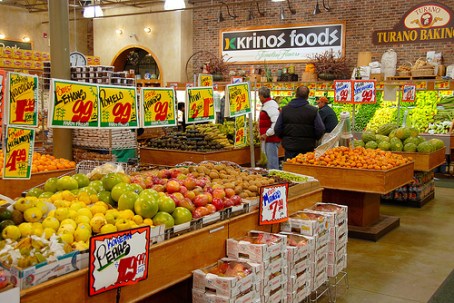
When you walk into your local grocery store you will, most likely, walk into fresh produce and fresh flowers and you can probably see and smell the bakery just around the next corner.
Flowers and fresh baked goods are placed close to the entrance to stimulate the shopper with the varying sights, scents and tastes. These departments have very high margins, so the store is betting you’ll spend extra time browsing, take in all of the fresh sights and scents and, hopefully, picking up a few items you didn’t intend to buy. When you are exposed to such a pleasant scene at the entrance your mind is comforted with the notion that this store has fresh items. It also activates your salivary glands which makes you more likely to purchase impulse items that are not on your list.
Staple items, or the items that consumers purchase most often, such as: bread, milk and eggs, are typically placed at the very back of the store or in the corners. If you wanted to make a quick trip to get a gallon of milk and a loaf of bread, you are forced to walk past several other aisles and sections of the store that are filled with tempting items for you to toss in your cart.
If you’ve ever taken kids to the grocery store you may have noticed how easily they’re able to grab items like sugary cereal, Mac & Cheese, cookies and other highly advertised products.
The cereal aisle is a great example of how stores stock shelves so items that appeal to kids are at their eye level. Typically the “healthy” cereals, like granola and bran, are at the very top of the shelf. Towards the bottom you’ll find bulk items like bags of cereal and jumbo boxes. And right in the middle, at the eye level of your children, you’ll find things like Trix, Fruit Loops, Lucky Charms etc. Kids are able to grab these cereals themselves or beg their parents to add them to the cart.
They also happen to be some of the higher margin cereals. The same principle is used in most aisles, the items with the most profit are in the “Thigh to Eye” zone where customers will see them first.
Many stores also charge manufacturers a “listing fee” (aka Slotting Fee) to place a product on their shelves. If you’ve got a great idea for a product, you’ll probably have to cough up tens of thousands of dollars just to put that product on the shelf at your local supermarket. These fees are paid once for the lifetime of each SKU, but if the product is not selling well then the item will be not be carried any longer and you won’t get your listing fee back.
Placing a product on an aisle’s end cap is usually an additional fee that manufacturers pay when they want to further promote a product. Some stores also limit the number of brands in a specific category and companies may pay to be the exclusive brand in that category.
These are all ways that retailers make additional money and give the manufacturers some control over how you find their products.
Now that you know some grocery store secrets, you can avoid their traps. Always go to the store with a list and stick to it. Only buy the items you need; avoid walking down aisles that don’t relate to your list. If you bring kids with you, make sure they are aware of your list and don’t give in to their begging.
Broken Secrets
Subscribe on: Facebook | Twitter | Kindle
Sources: Frugal For Life, All Sands, Listing Fees
Photo: J-P F (cc)
Why You Shouldn’t Wear White After Labor Day
By Chad Upton | Editor
Labor Day is a popular holiday in the United States and Canada, observed on the first Monday of September.
According to the US Department of labor, it’s “a creation of the labor movement.” Therefore, it only seems fitting that we celebrate by not going to work — it is a Federal holiday in both the US and Canada.
Labor Day also marks the last day people should wear white (until Memorial Day in May). About 10 years ago, I was schooled on this manner of etiquette.
I was walking downtown by myself and it was pretty late. As I turned the corner onto another street I saw two tough guys walking toward me. I noticed that one guy got visibly angry when he saw me. I didn’t know the guy and I didn’t know what problem he could possibly have with me.
I held my ground and I kept walking toward them, trying not to look at them. But, just as we were passing I looked up, either to say “hey” in a friendly way or just to block a punch if that was the case. The one guy yelled at me, “Don’t wear white after labor day.”
I was really surprised. Based on the his outfit, I would not have guessed he was the fashion police, but maybe he was undercover.
That’s a completely true story and I laugh about it now, but at the time I was pretty scared when I saw his reaction to me.
In my defense, I was wearing khaki.
Historically, the rule only applied to white dress shoes and high heels. In the 50s and 60s, the middle class extrapolated this rule to include other clothing.
Some believe it was practical advise, since white clothing would be tough to keep clean in the winter. Others say that white clothing was typical dress for members of high society during summer holidays and was too casual for getting back to serious business when summer had finished. In the 1950s, the middle class was growing and they were given simplified rules of high society to help them fit in, including the rule about white after labor day.
In the latest edition of Emily Post’s Etiquette, the ban was lifted on wearing white after labor day. In fact, some now consider it very fashion forward to do so.
If you’re old fashioned and are shy about trading in this tradition, you should know that cream colored wool has always been exempt. So, go ahead and wear cream (at your own risk).
Broken Secrets
Subscribe on: Facebook | Twitter | Kindle
Sources: Dept of Labor, Wikipedia, Wise Geek, Time, Yahoo
Japanese Theft Deterrent
By Chad Upton | Editor
They sit on the counter in many Japanese stores, but they are not for sale.
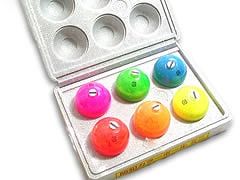 At the size of a baseball, these bright spheres are placed in public view to deter theft. They’re not magical, they’re highly practical.
If a store or bank is robbed, the employees throw the baseballs at robbers as they leave the shop. Bright paint covers the thief, making it easy to identify them as they flee the scene and potentially prove their guilt when caught.
Although orange is the most popular color, they’re actually available in a variety of colors. They’re known as bohan balls, and they cost about 1500 yen ($18 USD).
The paint is brightly colored, glows in the dark and carries a strong odor. The odor is embarrassing, but more importantly, police dogs are trained to track it.
Oh and you can get a semi-automatic gun to shoot the balls too.
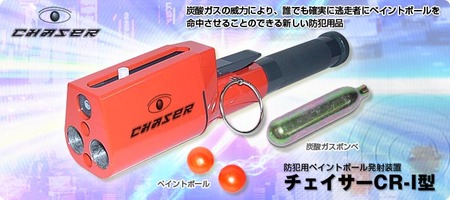
It’s called the Chaser because you can follow the criminals and still paint them or their getaway car from a safe distance.
Sources: Stippy, Urlesque, Great Geek Manual, Ring-G, Rakuten, Toyokuni


 Broken Secrets