Archive for 2010
How To Make Your Laptop Battery Run Longer
When your laptop is new, you can run on battery power for hours! But, as the battery gets older it doesn’t hold a charge like it used to. Ideally, you would just buy a new battery, but laptop batteries are expensive. From the manufacturer, they range from $80 to $150. Aftermarket batteries are often 50% – 70% of the manufacturer’s price. I’d recommend searching eBay or Amazon for new aftermarket batteries.
If you buy a new battery, keep your old one. I used to travel almost every week for work and I always had a second laptop battery with me. At times, the second battery was old, and only ran for 45 minutes, but that was a lifesaver on an airplane when you’re trying to finish some work (or watch the end of a movie you brought).

I usually buy the aftermarket batteries and never have problems with them. I did have a problem with an aftermarket power supply cord once; it died after three months. But, even with that $13 loss, buying aftermarket laptop accessories has saved me a lot of money over the years.
If you travel a lot, a second power cord is paramount. You should have one that you always leave in your computer bag, that way it’s impossible to leave behind when you travel. Have you ever tried to find a computer power cord at a retail store? If you are lucky enough to find one, it’s going to cost at least $60. If you can’t find one, and you need one for work — it’s a disaster. (more…)
There Are Only 14 Possible Calendar Configurations
At the beginning of every year, I get a tropical island wall calendar. During the winter, it makes the days seem warmer; during the summer, it inspires me to enjoy the long sunny days.
 Until a few days ago, my January 2010 calendar was really small. I hadn’t bought a new calendar yet, so I was squinting at the tiny January 2010 layout in the corner of my December 2009 calendar.
If only I kept my 1999 calendar, I could have used that this year.
You see, there are only 14 possible calendar configurations. This year, January first was a Friday and next year, it’s a Saturday. In 2012 it’s a Sunday, but in 2013 it’s a Tuesday. (more…)
How to Order at Starbucks
I like Starbucks.
I don’t love it the way some people do, but I can see why they make daily trips or spend their afternoons there. The big smiles and attention to detail make you feel special, like you’re the only one who orders a drink that way. It’s like being part of an exclusive club that has its own language and club houses all over the world.
Actually, I’m sitting in a Starbucks while I write this. This is the first time I have written from Starbucks, or any cafe for that matter. I thought it was important for accuracy and inspiration — wait, my London Fog is ready.
OK, I’m back.
Jamie, the barista, says “hi” (barista is Italian for “bartender”).
A London Fog is basically a latte, with an earl grey tea bag and a shot of vanilla syrup. Not every Starbucks makes this drink well, but they’re really good about taking drinks back if you don’t like them, so don’t be afraid to try something new or let them know they made a mistake.
If you’re looking for “London Fog” on the menu, it has been renamed to reduce confusion. You’ll find it labeled as “Earl Grey” under “Tea Lattes.” (more…)
You Can Easily Buy Tamper Proof Screwdrivers
 I have a long history of taking things apart; as a Child I had a reputation for never putting them back together. There is some truth to that, but somethings are more fun in pieces.
Before I understood how they worked, I saw things as magic boxes. I wanted to know how the engineers solved all of the problems that made the product useful; what were their secrets?
As an adult, I still like taking things apart. Sometimes, I want to know how it works; other times it doesn’t work and I want to fix it, or break it further.
Unfortunately, it’s not always easy to disassemble things.
If you’re like me, you’ve probably tried to disassemble something and then realize you don’t own a screwdriver that can turn a triangular notched screw-head. Or, maybe you have noticed funny looking screw-heads in public restrooms. Not the people, the metal screws used on fixtures and cubical walls. If you don’t recognize the pattern on the screw-head, they’re likely what we call “tamper proof” screws. (more…)
Peanuts Are Not Actually Nuts
Sorry, this is not about Charlie Brown. I’m talking about the peanuts that some of us love to eat and others are deathly allergic to. Those peanuts are seeds and they belong to the legume family, along with beans, peas, alfalfa, lentils and others.
In fact, many things we typically consider nuts, do not meet the botanical definition of a nut. Try to pick out the non-nuts from this list:
- Almonds
- Brazil Nuts
- Cashews
- Coconuts
- Macadamia Nuts
- Pine Nuts
- Pistachios
- Walnuts
You probably guessed that coconuts are not actually nuts, and you’re right. If you guessed any of the others are not nuts, you’re right too — none of them are real nuts!
A nut is a hard shelled fruit that comes from a plant whose fruit does not open to release its seed. A nut is a composite of the fruit and seed, some examples of true nuts are: acorns, beechnuts, chestnuts and hazelnuts.
Some people avoid nuts because they are high in fat, but that’s actually the reason nuts are such a nutritious fruit. The Omega 3 fatty acids in nuts are believed to lower lipid levels (the “bad cholesterol”). Nuts also contain linoleic and linolenic acids, which are important for healthy growth, hair, skin, blood pressure, and immunological response. They are also rich in protein, folate, fiber, magnesium, phosphorus, potassium, copper and selenium.
So, if you’ve been avoiding them, forget about it!
Go nuts.
Broken Secrets
Written By: Chad Upton
[available on Kindle]
.
Sources: Nuts, Dehiscence
Your Eyes Adapt to Darkness In 20-30 Minutes
If you’ve shopped for an HDTV, you’ve probably seen something on the spec sheet called “contrast ratio.” Contrast ratio is the difference between the darkest and brightest picture a TV can produce. Contrast is important to a good picture.
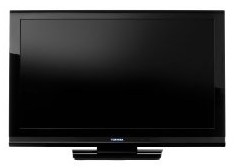 That’s because our eyes can recognize a contrast difference of 1,000,000,000:1. That means, the brightest thing our eyes can see is a billion times brighter than the darkest thing. Good contrast to your eyes is like a gourmet meal for your taste buds. Contrast adds a lot of detail to the picture and ultimately immerses you in the action.
Unfortunately, when shopping for TVs, contrast ratio is almost meaningless. It could be really useful, but all of the manufacturers measure this number differently and then call it the same thing — it’s really only useful when comparing two TVs from the same manufacturer.
Imagine you want to buy a new car: you are cross shopping three manufacturers who measure fuel economy in three different ways. The first one, measures fuel economy while driving down a hill, while the other two measure it on flat land and while driving up a hill. Obviously, you can’t compare the results of those tests. But, if you’re looking at two cars from the same manufacturer then there is some comparative value to those numbers, even though they may not be accurate in a typical situation.
Thankfully, our eyes are extremely sensitive to contrast. Turn both TVs on and look at a flat black image for a while. A flat black image makes it easy to spot variations in darkness (aka “banding”), no banding should be present in a good TV. If you still can’t tell the difference and they both look good, then the difference is too small to worry about. Trust your eyes, they are incredible instruments.
It takes 20-30 minutes for your eyes to adjust from one extreme to the other because the contrast ratio is so high. If you’re in bright sunlight and then walk into a very dark room, it will take 20-30 minutes before you can see your best in that room. If you are in a moderately bright room and go into a very dark room, it is often closer to 15 minutes.
 The rods and cones in your eye are tested during dark adaptation. Rods are more sensitive to light and take longer to adjust. Cones are much faster to adjust, often in approximately 9 minutes. People over the age of 50 need twice as much light to see as well in the dark as a 30 year old. So, if you need more light, consider my CF light secret.
Frequent fliers will eventually notice that the aircrew dims the airplane’s interior lights on final approach during night landings . They want your eyes to be adjusted to the darkness outside in case the landing does not go as expected and you have to evacuate the plane.
Broken Secrets
Written By: Chad Upton
Available on Kindle
.
Sources: Why Planes Dim Interior Lights, Adaptation (Eye), Contrast Ratio, Growing Older
Organic Food May Contain Non-Organic Ingredients
Back in 5th grade, my school had cupcake sales. There were thousands of cupcakes. I don’t remember what we were raising money for, but I ate a lot of cupcakes and that was memorable.
Baking all of these cupcakes was a lot of painstaking work, but my mom was a really hard worker. She always made chocolate cheesecake cupcakes, which the parents and teachers ate up, literally.
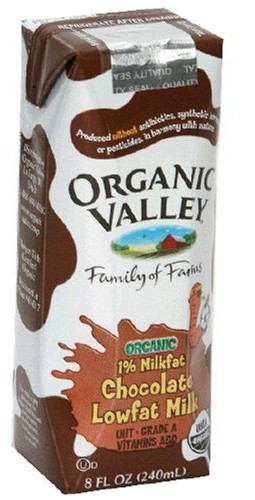 They weren’t covered in icing sugar, they didn’t have multicolored sprinkles or glitter and that’s exactly what the kids looked for: sugar. If you’re punny, you might say the kids had more refined palettes.
Some of my favorite cupcakes were the ones decorated with those tiny silver balls. It turns out the FDA now considers them inedible, due to the small amount of metal in them. Now, they’re sold “for decoration only,” except in California where they’ve been banned since 2003.
They were considered edible back then, but that still doesn’t mean they were food. I ate LEGO a couple times back then too. Again, not food.
Real food isn’t made in a laboratory, although laboratories do produce some really tasty stuff. In an earlier post, I talked about the differences between natural sugar and synthetic sugar made from corn (high fructose corn syrup).
Experts believe that your body can’t control its absorption into your bloodstream, in an attempt to control your blood sugar, your body quickly converts it into fat, which happens much slower with natural sugar. This could be extremely dangerous, and its addition to thousands of foods over the past 35 years could be partially responsible for the obesity epidemic.
Last month, a research paper was published, focusing on one genetically modified type of corn. This study shows that pesticide residue was still evident on this type of corn and it causes organ failure in rats. Genetically modified food has a bad reputation and it isn’t always bad, there are many success stories and it occurs in nature too (not just laboratories). But, this study shows a clear example of genetically modified food at its worst.
Because of these dangers, there are a lot of people who try to eat natural foods whenever possible. Food labeled “organic” is one way to identify real food. Many food products contain a lot of synthetic ingredients, growth hormones, pesticides and antibiotics. On the other hand, Organic foods generally do not contain any of these.
 At least, that’s what I thought. I don’t buy a lot of organic food, but when I do buy a product stamped with the “USDA Organic” logo, I assume that it’s entirely organic. The truth is, the USDA actually has a list (PDF) of non-organic ingredients that are allowed in products that carry the “organic” label.
Here is a very small sample of some non-organic ingredients and some uses for them:
- Fish Oils (dairy, egg, sauces, jam, jelly, snack foods)
- Gelatin (yogurt, production of tea and wine, thickening agent)
- Orange Shellac (glazing or polishing organic fruits and vegetables)
- Enriched Inulin (baking, nutritional bars, yogurt, cereal)
- Whey Protein Concentrate (yogurt, protein supplements, baby food)
- Carnauba Wax and Wood resin (chewing gum, candy coatings, juice, cosmetics)
The USDA has approved these ingredients (and many others) because the organic food producers that rely on them have filed petitions asking for approval. The petitions usually cite a non-existent or inadequate supply of that ingredient in organic form. In other words, organic food contains 100% organic ingredients when those ingredients are available as organic products.
Written By: Chad Upton
Broken Secrets
[Available on Kindle]
.
Images: USDA,
Sources: The Daily Green, Dragee, International Journal of Biological Sciences, USDA Food List, HFCS
Why is Coffee Called Java?
I love coffee.
I started drinking it in college, like most people, for the caffeine boost. Over time, I got really attached to the flavor. I went through a coffee obsession phase, trying coffee from different parts of the world with different tastes and different roasting techniques.
I’m not a coffee connoisseur, but there really are coffee connoisseurs out there. Premium coffee retailers and distributors have tasting rooms where they constantly inspect and taste coffee.
They sip it, swirl it around in their mouth and then spit it out. It must meet their strict approval to make it to the stores. If you think I’m exaggerating, click here to get a taste on the Starbucks blog. They even talk about coffee that is aged 3 to 5 years before being roasted.
Aging coffee probably reminds you of something else, wine. It turns out the coffee industry is a lot like the wine industry. Experts taste coffee the way connoisseurs taste and rate wine. They also share a similar vocabulary for describing flavor notes, hints of: caramel, chocolate, nuts…etc. Wine is classified by it’s region and grape (species). Coffee is also classified by region and species.
Historians believe that coffee plants were first cultivated in Ethiopia, around the year 850. In the next 50 years, coffee seeds were taken to the Arab world. The Arabians saw a future in coffee trade and guarded the seeds closely, but a few seeds were smuggled to the Dutch. Early in the 17th century, seeds made their way to Indonesia, being planted in Sumatra, Bali and the island of Java.
Java is one of the earliest coffee plantations and still an exporter of coffee today. Calling coffee, “java” is similar to referring to wine by it’s region, such as “I’ll have a glass of Champagne.”
On a related note, check out another coffee related secret: How to Properly Pour a Cup of Coffee.
Written By: Chad Upton
BrokenSecrets.com [Available on Kindle]
Sources: Coffee, Java Coffee, Indonesian Coffee, Coffee Bean, Champagne
How Do You Solve a Rubik’s Cube?
When you bought your Rubik’s cube, it was already solved. If you just left it alone, you wouldn’t have to solve it. I’m just saying.
Of course, we all know it’s impossible to leave it alone. You have to mess it up. At first, you turn a couple rows and then turn them back. Then you turn a few more and a few more again and eventually, you can’t get it back! Now, you have to actually solve the puzzle.
 To make a short story long, you’ll try to solve it by working very little over a long period of time.
Rubik’s cube will sit on your shelf for a few days before you try it again. Over the next six months it will get picked up by a few smartypants friends who want a crack at it. After another year, you may pick it up and work on it for a short time, maybe even get one or two sides complete. Again, you’ll put it down for the next rainy day. It will seem like you’ve worked really hard on it, but you haven’t. Still, there comes a time in every cube owner’s life when they decide it needs to be solved, at any cost.
From my experience, there are three approaches to solving a Rubik’s cube.
I learned the first strategy from my brother when we were children. Every time we visited my Grandfather, he’d be working on his cube. On one visit, our small minds were blown when we realized he solved the cube. As I already stated, it’s impossible not to mess up a solved Rubik’s cube, and that’s especially true when it belongs to someone else.
When my grandfather realized we unsolved the Rubik’s cube, he told us that we’d have to re-solve it before we left. He was serious, or at least we thought so at the time. My brother’s solution, which I thought was pretty clever: peel off all the colored stickers and reapply them on matching sides. Although we got all the colors in the right places, it was still a big mess — similar to our paint-by-numbers work.
These days, I’d consider that cheating. But, it’s a good strategy to be aware of, you never know when you’ll be in a hostage situation that is one Rubik’s cube away from freedom.
The second approach comes in true internet style: have your computer solve it for you! Your computer is probably smarter than you anyway, why let that talent go to waste?
There are a number of web-based Rubik’s cube solvers. Basically, you paint the onscreen Rubik’s cube to look like yours and it generates a list of moves required to solve it. Click here for one that I have vetted. It works on the traditional 3 x 3 cube, and also on the newer 2 x 2 and 4 x 4 cubes. This is still cheating. But, it’s much less detectable than relocating the colored stickers.
Finally, the official approach, sanctioned by Rubik himself. This is the cross, corner, middle, top, corner method. It’s a combination of moves that systematically solve the cube. Once you know these moves, you can solve any cube. For the complete tutorial, click here.
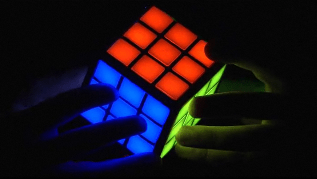 The original 3 x 3 cube is a classic. But, they have released many different versions of the Rubik’s cube and similar puzzles. There is even a touch screen Rubik’s cube called the TouchCube. Click on the picture to check it out.
Broken Secrets
Written by: Chad Upton
[Available on Kindle]
Getting The Most For Your Charitable Donation
By Chad Upton | Editor
With the recent disaster in Haiti, I have been thinking a lot about charitable donations. My wife and I wanted to make a donation, but had no idea where to start. We wanted our donation to provide as much aid as possible by giving to a trustworthy charity with minimal administration costs and decent buying power. Our questions was: which charity meets our standards and how much should we give?
I have done some research, learned some secrets and wanted to pass them along. This should be helpful for making any type of charitable donation, not just Haiti relief.

Give Cash
It might be tempting to buy blankets for a homeless shelter or give food to a food bank, but it’s actually better to give cash. Firstly, you don’t know what that charity needs most. The homeless shelter may have more than enough blankets, but not enough soap. If you give cash, they can buy what they actually need. Of course, if you already have a stack of blankets, call first to see if they can use them or if you should hang on to them for a later donation.
Secondly, your buying power is minimal. If you brought $50 worth of food to the food bank, they’d be very grateful. But, if you gave them $50, they combine that with their other cash donations to get a bulk discount and get more food with your $50 than you can.
Texting Is Actually a Slow Way to Donate
While it is extremely fast for you to initiate a donation by texting from your mobile phone, it can take 2 – 3 months for that money to get to the Charity. From the time you send the text to the time you pay your bill, 30-45 days may pass. That’s the first delay, the second delay is your mobile carrier. According mgive.com, the mobile giving foundation, carriers release donation money to mgive every 60-90 days. Then mgive takes 10% (processing fee) and distributes the money to the charities. Most of the charities take donations at their website, this is the fastest way to turn your money into help and cut out the middle man.
Know What You’re Buying
If you can’t decide how much to give, it may help to understand what your money can buy. Here are some of examples of what a donation to Unicef can get.
- $67.79 – Water purification tablets, cleans 50,000 liters of water
- $232.86 – School in a box, enough school supplies for 80 children
- $500 – Water pump, provides clean water for an entire community
- $1,994.77 – Maternity kit, enough supplies to safely deliver 50 babies
In other words, you’re not giving $68, you’re giving 50,000 liters of clean water.

Donate To a Reputable Charity
There are some great websites to help you find a charity that provides the help you want to give. These sites also rank the charities and provide transparency by including information such as charitable institution’s financial statements. Here are some sites, and what I like most about each one:
- Charity Navigator – Helpful ranking of charities. Good list of Haiti charities and their ranking.
- Network for Good – Quick links for some of the most popular charities.
- Just Give – Great search engine for finding a charity in your own community, also has a wedding registry for charitable donations.
You Don’t Need Money To Donate
Many local charities can use your time. Use Just Give to find a charity in your community.
The Largest Charities Are Not Always The Highest Rated
The largest charities usually do the best job of raising awareness, but that often means less of your money actually goes to the cause itself. That’s not necessarily a bad thing, awareness is a very important part of fund raising, and many charities allow you to designate your gift. This is ideal if you want to ensure your money is used for aid rather than further fund raising.
Click here for a list of some of the highest rated charities you can donate to, all of these are rather large charities but few of them are charities you usually hear about. Click here for a list of the charities participating in Haiti relief (4 star charities are at the top).
Privacy
Using some of the sites I mentioned above, you can ensure your charity of choice has a written privacy policy that will protect your information. It is especially important that your information is not sold to other charities — they know you’ve given before and your phone will be ringing off the hook.
Avoid scams
The FBI recently released some tips to avoid charity scams. It is very important that you don’t reply to or click on links in any spam email. Donate directly to the charity when possible, not through third parties. Verify the legitimacy of the charity with one of the sites I mentioned above. The rest is common sense, but you can read the entire list by clicking here.
Tax Benefits
One of the best parts about giving is the tax benefit. Most donations are tax deductible and many people also take advantage of a free efile, further adding to their refund. For a few countries, I have provided links to better understand the tax benefits and implications of giving to charities: USA, Canada, UK
Giving to a charity that you believe in can be one of the most rewarding things you do, for you and the people that you help.
Broken Secrets
Get updates from: Facebook | Twitter | Email | Kindle
Photos: Zoriah, DVIDSHUB (creative commons)
Sources: Charity Navigator, Just Give, Network for Good, mgive, school in a box, Unicef Health, Unicef Water,


 Broken Secrets